Music education no longer happens only in classrooms or during practice sessions. Today, teens are constantly exposed to music on TikTok, YouTube, Instagram, and other social platforms, shaping how they listen to, practice, and interact with music every day.
At 123 Rock, we see this shift constantly. Students walk into lessons already inspired by trending songs, short performance videos, tutorials, mashups, or artists they discovered online. Social media hasn’t replaced music education, but it has completely changed the way many teens connect with learning music in the first place.
Music is now part of everyday scrolling
Teens are exposed to music constantly
A generation ago, discovering new music often meant listening to the radio or searching for albums. Today, music appears naturally while scrolling through social media.
Teens now discover:
- New artists through trends
- Songs through short videos
- Instrument covers
- Live performances
- Music tutorials
- Creative remixes
This constant exposure makes music feel more accessible and immediate.
Short-form content makes music feel less intimidating
One reason social media influences music learning so much is that content feels approachable.
Instead of watching long instructional videos, teens often start with:
- 30-second guitar tutorials
- Simple piano chord breakdowns
- Drum covers
- Singing challenges
- Beginner-friendly song clips
That quick exposure helps many students feel:
“I could probably learn this too.”
For beginners, that mindset matters.
Social media changed how teens stay motivated
Learning now feels more interactive
Music is no longer just something teens consume passively. They participate in it.
Many students now:
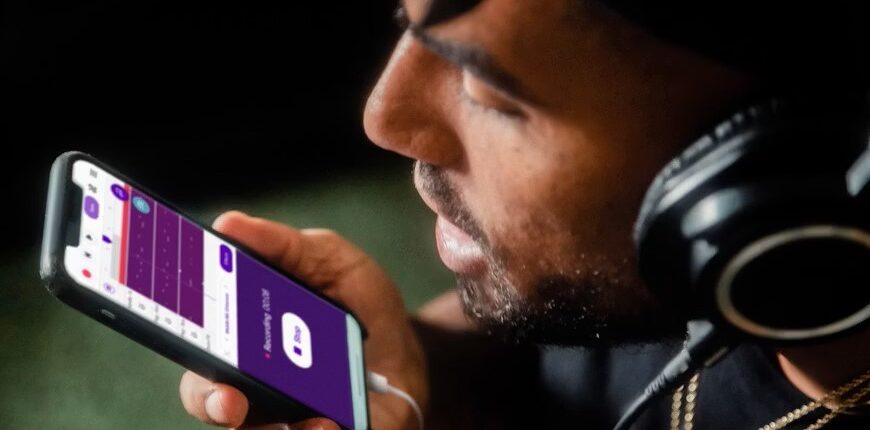
- Record themselves playing
- Share progress online
- Learn trends with friends
- Save videos for practice inspiration
- Build playlists specifically for learning
This creates a more active relationship with music.
Trends help students stay engaged
One of the biggest challenges in music education has always been consistency. Social media helps solve part of that problem by keeping music constantly visible in students’ daily lives.
When students see:
- A trending song
- A creative arrangement
- A live performance clip
- Someone covering a song they love
They often feel inspired to practice again.
That motivation becomes even stronger when students learn songs they already emotionally connect with.
Teens are learning music differently than previous generations
Creativity now plays a bigger role
Many teens today are interested in more than simply learning songs exactly as written.
They want to:
- Remix music
- Improvise
- Create covers
- Change arrangements
- Experiment with sound
Social media encourages creative exploration instead of perfection alone.
That shift aligns closely with how modern students naturally interact with music.
Students want music lessons that feel personal
Because teens are constantly exposed to different styles, artists, and creative ideas online, they also expect learning to feel more connected to their interests.
Traditional one-size-fits-all lessons often feel disconnected from how students experience music today.
Students stay more engaged when lessons include:
- Songs they already enjoy
- Styles they recognize
- Space for creativity
- Flexible learning approaches
This makes music feel less like a requirement and more like self-expression.
Technology supports learning, but guidance still matters
Social media can inspire, but teachers help students grow
Watching tutorials online can spark interest, but real progress still requires structure, feedback, and consistency.
Students often improve faster when they have:
- Personalized guidance
- Clear goals
- Technique support
- Encouragement
- A learning plan adapted to them
Social media may provide a starting point, but strong teaching helps students turn that inspiration into real musical growth.
Where online inspiration becomes real progress: 123 Rock School
At 123 Rock, we understand that today’s students experience music differently. That’s why lessons are built around the music students already connect with, from trending songs and movie soundtracks to favorite artists and personal creative interests.
Our goal is not just to teach music theory or technique. It’s to help students build real musical skills through music that already feels exciting, familiar, and meaningful to them.
Because when students feel connected to what they’re learning, motivation becomes natural.
Book your first class and start turning inspiration into real musical progress.